
MAL Season 3, Episode (4)
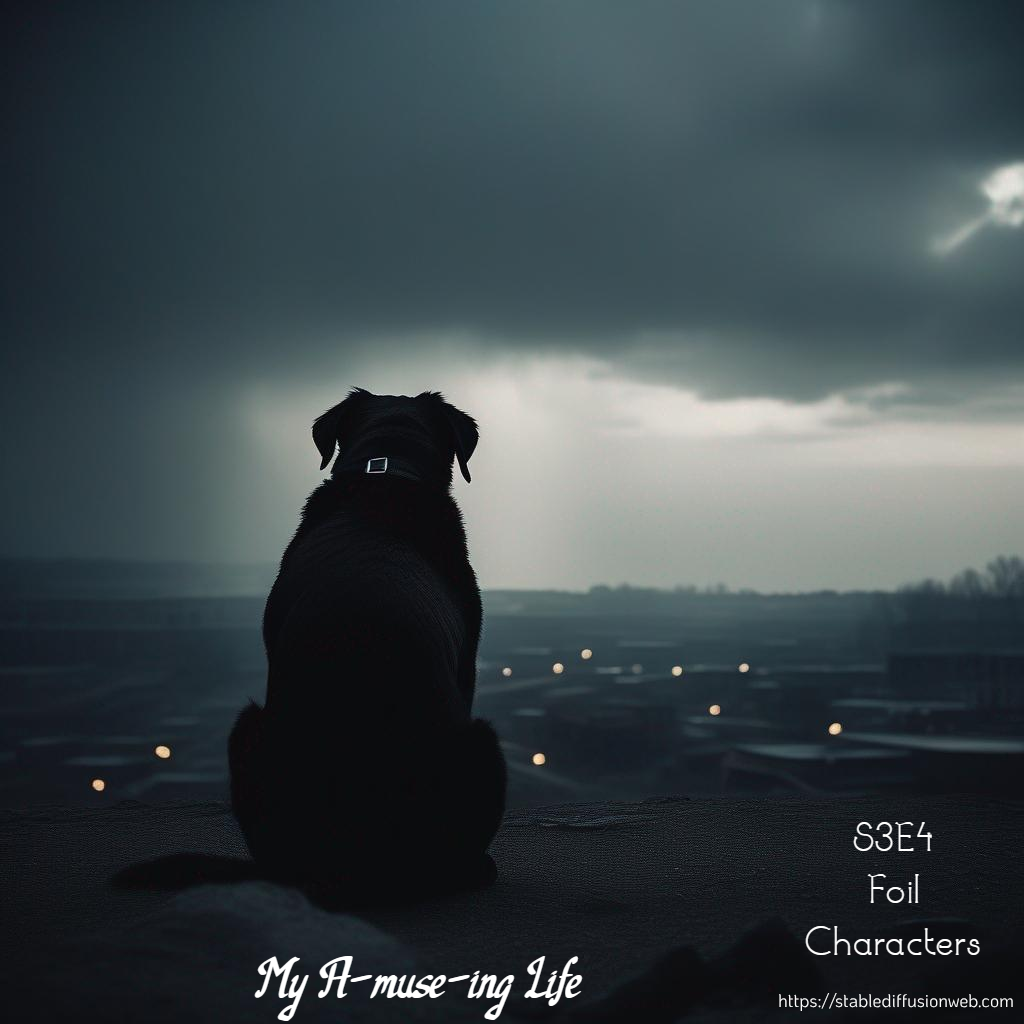
Word of the week:
Sketch: Artist’s impression of something; unfinished work
Quotable Quotes:
“The most memorable characters are the ones with the deepest flaws.”
– Neil Gaiman
Literary Device:
Foil characters:
A literary device that emphasizes the contrasting qualities of another character. Foil characters are used to enhance certain aspects of each character, creating more depth through distinctive traits, characteristics, or motivations placed side by side. Foil characters draw attention to the qualities of the main character by providing a way to contrast those qualities with either opposite traits, or traits that may shed further light on the main character’s attributes.
Highlight of the Week:
Name Generator : Fantasy Name Generators
Fantasy name generators. Names for all your fantasy characters.
Reading:
- Wuthering Heights by Emily Bronte, Chapter 10 excerpt
- The Project Gutenberg eBook of Wuthering Heights, by Emily Brontë
This eBook is for the use of anyone anywhere in the United States and most other parts of the world at no cost and with almost no restrictions whatsoever. You may copy it, give it away or re-use it under the terms of the Project Gutenberg License included with this eBook or online at www.gutenberg.org. If you are not located in the United States, you will have to check the laws of the country where you are located before using this eBook.
Tips- 10 Tips on Writing Foil Characters:
In storytelling, characters serve as the driving force to move the story forward. Foil characters can be a powerful tool to add layers of complexity and intrigue within a story. They can even act as a mirror to the main character, showing contrasting qualities to reflect and magnify the main character’s qualities.
Here are 10 Tips on Writing Foil Characters:
- Identify Contrasting Traits: How is the foil character opposite of or different from the main character?
- Common Goals, Different Approaches: Both characters may have the same goals, but the way they approach pursuing the goals should be vastly different, emphasizing their distinct personalities.
- Highlight Weaknesses and Strengths: Each of the characters will have their own contrasting or complementing strengths and weaknesses, adding to the overall narrative.
- Change over time: Both the foil character and the main character should evolve throughout the story. Their interactions with each other can influence the changes that take place in each of them.
- Use Dialogue to show differences: Create dialogue that shows the communication styles of each character, showing the different ways they act and speak towards each other.
- Physical Contrasts: Include physical differences that symbolize the internal distinctions between the characters, such as habits, mannerisms, or appearance.
- Create conflict between the main character and foil. Both internal and external conflict can be used to highlight the differences between the characters.
- Show the motivations of the characters. Your readers will be able to connect with the character’s better when they can see the motivation and intention behind the actions.
- Foreshadow: To build anticipation and hold interest, drop subtle hints early on about the contrasts between the characters.
- Shared Experiences, Divergent Lessons: Give the characters the same experiences, but have them learn from and interpret from the experiences differently.
Prompt: Foiled over a Pet
Setting: Dystopian apocalyptic future
Main Character: Loves animals, wants a pet
Foil Character: Can’t stand animals OR wants the opposite pet of the main character
Write the discussion or scene where they are choosing a pet.
 My A-muse-ing Life
Leave a comment